

Who we treat
- People with selected musculoskeletal pain or stiffness after assessment
- Patients who may benefit from movement techniques alongside exercise
- People needing advice on gradually returning to daily activity
Related conditions
Assessment
- Medical history, tissue irritability, relevant neurological findings and screening for contraindications
- Active and passive joint range, movement response, functional limitations and informed consent
Treatment
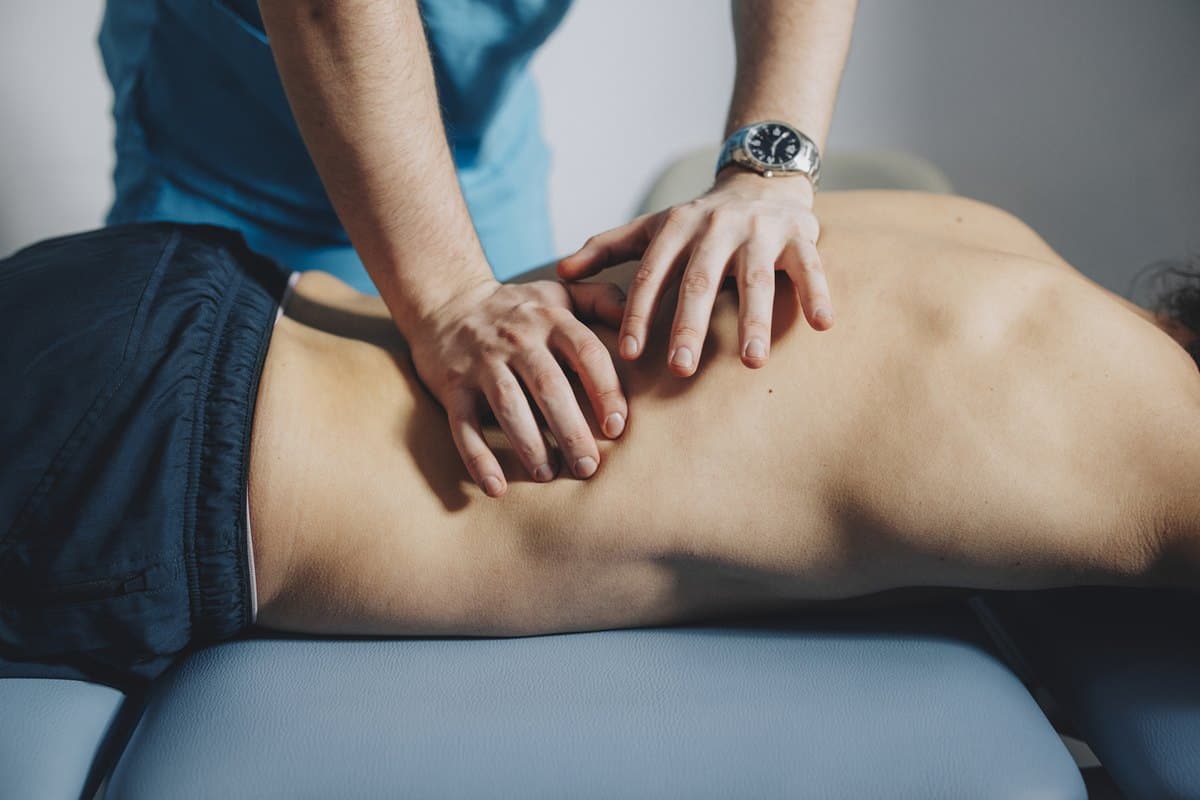
Non-thrust joint mobilization and selected soft-tissue techniques may help address pain or movement restriction in suitable presentations. Technique selection and dosage depend on irritability, precautions, examination findings and response. Reassess the relevant movement or task afterwards. For low back pain, NICE recommends manual therapy only within a package including exercise. It is not a method of permanently realigning joints or replacing progressive rehabilitation. Confirm clinician competence and availability.
Some patients require clinic-based or multidisciplinary care. Meet our physiotherapists.
Common questions
Is manual therapy the same as massage?
No. Manual therapy can include joint and soft-tissue techniques selected after assessment. Your therapist should explain the purpose, alternatives and whether exercise is also needed.
Can manual therapy be provided at home?
Ask the local team about a suitably trained clinician and whether your condition can be treated safely at home. Hands-on techniques require your consent and may be unsuitable in some medical circumstances.
General information, not an individual treatment plan. Clinical review of this guide is pending. Editorial information.